Zero-Waste Dog Walks: No Tricks, Just Green Treats
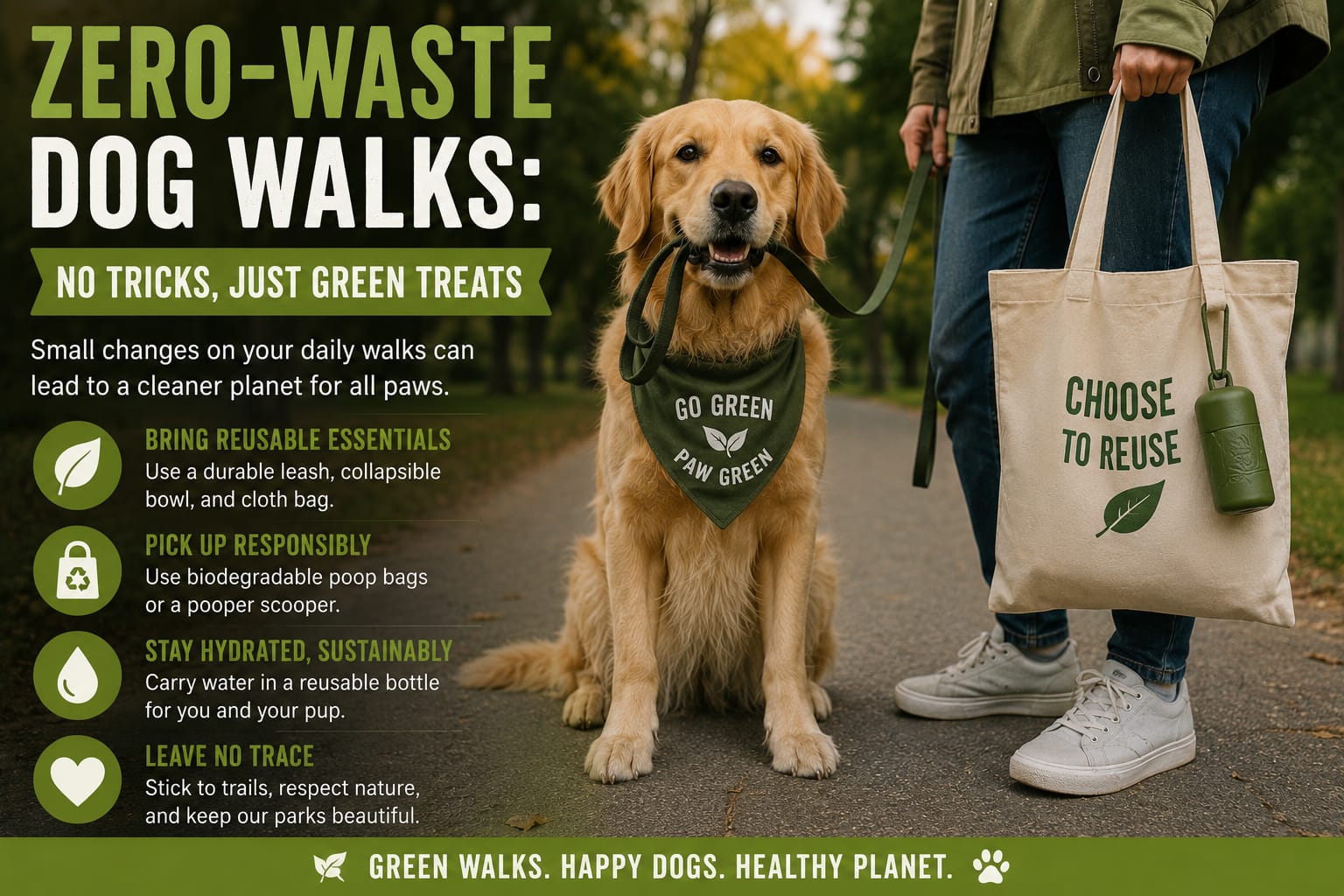
Table of Contents
You’re halfway through your morning loop at the park when your pup decides it’s time to take care of business. You reach for a plastic bag, scoop it up, and toss it into the bin without a second thought. But have you ever stopped to wonder where that little plastic parcel ends up? It’s a small moment that adds up to a massive environmental footprint over time.
Why your morning stroll might be leaving a bigger footprint than you think
Most of us love our dogs like family, and we want to do right by the trails and parks we walk on every day. Here’s the thing, most pet parents don’t realize that the average dog owner uses about seven hundred waste bags every single year. When you multiply that by the millions of dogs in the country, you’re looking at billions of plastic bags sitting in landfills for hundreds of years. It’s a staggering thought for something that’s only used for about thirty seconds.
I learned this the hard way after seeing a documentary about plastic pollution in our oceans. I looked down at the roll of bright blue plastic bags in my hand and felt a wave of guilt. I realized my zero waste dog walks weren’t actually zero waste at all. They were just standard walks with a lot of hidden trash. Transitioning to a more sustainable routine isn’t just about feeling good. It’s about protecting the very nature that our dogs love to explore. If we want our pups to have green grass to roll in and clean air to sniff, we have to change how we handle the messy parts of pet ownership.
The hidden truth about traditional plastic bags
Most standard waste bags are made from high density polyethylene. That’s a fancy way of saying they’re basically made of oil. When these bags end up in a landfill, they don’t just disappear. They break down into microplastics. These tiny particles seep into the soil and eventually find their way into our water systems. Let’s be real, nobody wants their dog drinking water contaminated by the very bags used to clean up after them.
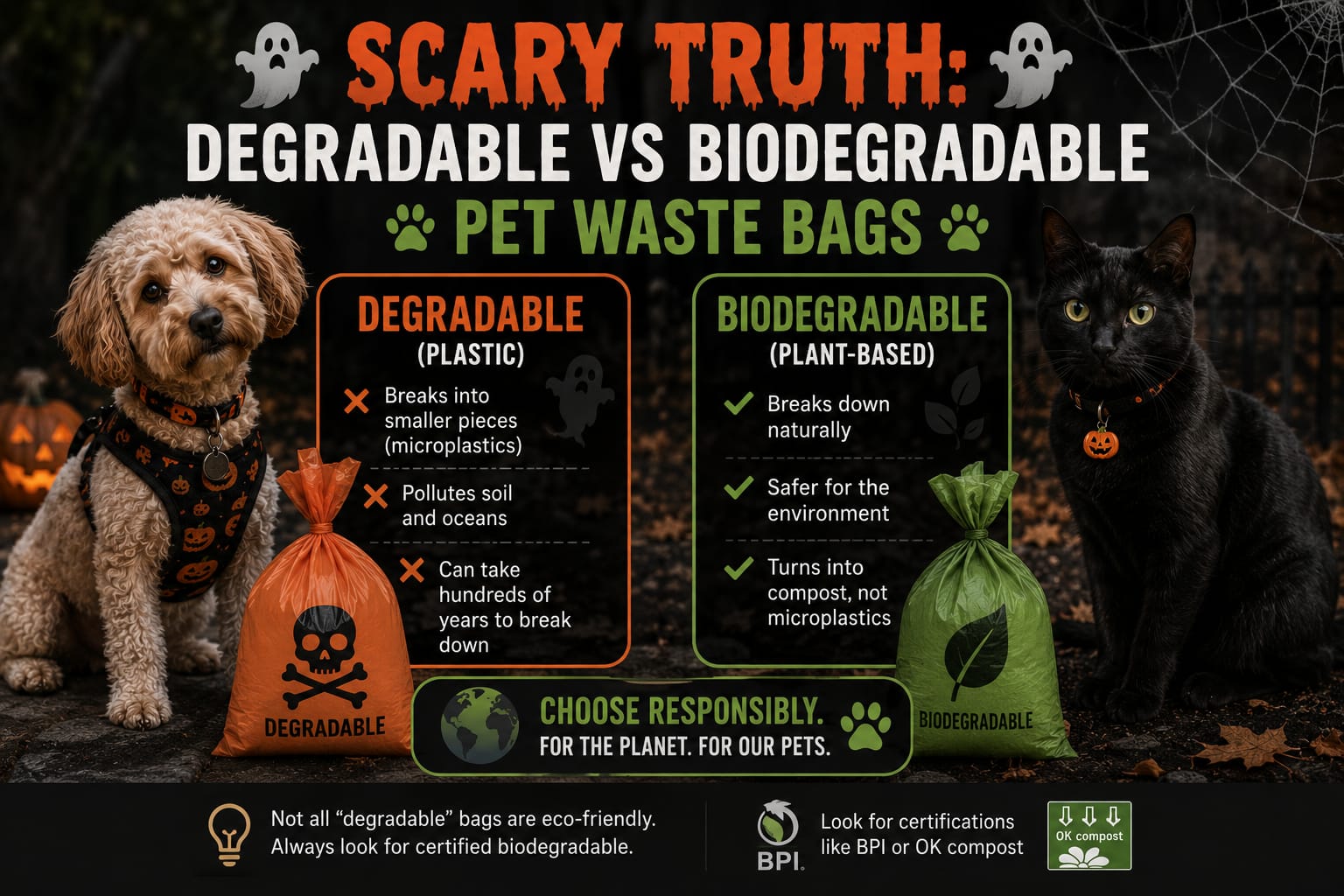
You might be surprised to learn that even bags labeled as degradable aren’t always what they seem. Many of these products are simply plastic with an additive that helps them break into smaller pieces faster. They still leave behind those nasty microplastics. This is why looking for truly green pet care tips is so important. We need materials that actually return to the earth rather than just hiding in plain sight. It’s about more than just the bag. It’s about the entire lifecycle of the products we choose for our furry friends.
Choosing the right tools for zero waste dog walks
When you start looking into eco-friendly options, the terminology can get confusing. You’ll see terms like compostable, biodegradable, and bio-based thrown around like confetti. One thing I’ve noticed is that the best choice is usually a bag that meets international standards for biodegradability. These are designed to break down naturally through the action of microorganisms like bacteria and fungi.
If you’ve ever tried a cheap eco-friendly bag, you know the fear of a “leakage event.” It’s the number one reason people switch back to plastic. However, the technology has come a long way. You can now find bags that are just as strong as plastic but made from plant starches. They provide that peace of mind while keeping your conscience clean. It makes the transition to green pet care tips feel a lot less like a chore and more like a simple upgrade to your daily routine.
What to look for in a sustainable bag
- Thickness matters for durability and scent blocking.
- Certification labels ensure the bag actually breaks down.
- Large sizes are better for big dogs and multiple pickups.
- Cardboard cores for the rolls are better than plastic ones.
- Unscented options are usually better for dogs with sensitive noses.
Product Spotlight: The ultimate upgrade for your waste management
If you’re ready to get serious about your environmental impact, the biodegradable dog waste bags extra thick version is a total lifesaver. These aren’t your average flimsy grocery store bags. They are designed specifically for pet parents who are tired of thin bags that tear at the worst possible moment. They offer a heavy duty feel that gives you confidence during the pickup process, which is honestly the most important part of the whole experience.
What makes these bags stand out is their composition. They are made from plant based materials that are fully biodegradable. This means they won’t sit in a landfill for five hundred years. They are perfect for city dwellers who have to use public bins and for suburban hikers who want to ensure they aren’t polluting the woods. Most shoppers buy these because they want the reliability of plastic without the environmental guilt. They solve the problem of flimsy eco-bags by using a thicker gauge of material that blocks odors and prevents leaks. Whether you’re dealing with a Great Dane or a tiny Terrier, these bags handle the job with ease. I usually recommend keeping a roll in your car, your jacket pocket, and near the front door so you’re never caught without one.
Comparing your waste bag options
Not all bags are created equal. It’s helpful to see how different materials stack up against each other so you can make an informed decision for your pup and the planet. Most people don’t realize the massive difference in breakdown times until they see the numbers laid out.
| Material Type | Breakdown Time | Environmental Impact | Durability Level |
|---|---|---|---|
| Standard Plastic (HDPE) | 500 to 1,000 years | High (microplastics) | High |
| Oxo-Degradable Plastic | 1 to 5 years | Medium (still plastic) | Moderate |
| Plant-Based Biodegradable | 90 to 180 days | Low (natural breakdown) | High (if extra thick) |
| Paper Bags | 2 to 4 weeks | Very Low | Low (prone to leaks) |
Mastering the art of green pet care tips
Zero waste dog walks are about more than just what happens when your dog squats. It starts before you even leave the house. Consider your treat situation. Most commercial dog treats come in multi-layered plastic bags that cannot be recycled. A simple fix is to buy treats in bulk and carry them in a reusable silicone pouch or a small tin. This keeps the treats fresh and keeps the plastic out of the bin. Plus, your dog won’t care what the container looks like as long as the snacks are tasty.
Another area where we often overlook waste is hydration. If you’re carrying a plastic water bottle for your dog, you’re missing a big opportunity. Stainless steel pet bottles are incredibly durable and keep the water cooler for longer. Many of them come with a built-in leaf or bowl so you don’t have to carry a separate dish. It’s these small adjustments that turn a regular walk into a truly sustainable adventure. Once you get into the habit, it becomes second nature.
Common mistakes people make when going green
The funniest part about switching to eco-friendly habits is that we often try too hard and end up making mistakes. One common error is putting biodegradable bags into a dedicated plastic recycling bin. These bags are not meant to be recycled with hard plastics. They are meant to go into the general waste or a specialized compost system. Mixing them into the recycling stream can actually contaminate the batch of plastic and make it un-recyclable. Always check your local waste management guidelines to see where they want these items to go.
Another mistake is assuming that “biodegradable” means you can just leave the bag in the woods. Even if a bag is made of plants, it still takes time to break down. Leaving a bag on the side of a trail is still littering. It ruins the view for other hikers and can be dangerous for local wildlife. The goal of zero waste dog walks is to leave no trace. That means picking it up and carrying it to a proper disposal point every single time. It might be a bit of a hassle to carry a bag for a mile, but your dog’s paws will thank you for keeping the trails clean.
Ways to avoid the “stinky bag” carry
- Use a dedicated bag carrier that clips to your leash.
- Look for thick bags that have superior odor-blocking properties.
- Plan your route around known trash can locations.
- Use a small, airtight container to hold the full bag until you find a bin.
- Double bag if you’re going on a very long hike where bins are scarce.
Sourcing sustainable toys and accessories
While the focus is often on the walk itself, the gear we use matters too. Many leashes and collars are made from nylon, which is a form of plastic. When these items wear out, they eventually end up in a landfill. Instead, look for accessories made from natural fibers like hemp or organic cotton. These materials are incredibly strong and much kinder to the environment. Hemp, in particular, is a fantastic choice because it’s naturally antimicrobial and incredibly durable. It stands up to the pulling and tugging of even the strongest dogs.
You can find a wide variety of eco-friendly gear by checking out sustainable pet costumes and toys that focus on natural materials. Choosing toys made from natural rubber or felted wool instead of cheap plastic squeakers can make a huge difference. These toys often last longer anyway, which saves you money in the long run. It’s all part of a holistic approach to pet parenting that values quality over quantity and sustainability over convenience.
Creating a zero waste walking kit
If you want to be successful, you need to stay organized. I recommend creating a dedicated “walking station” near your front door. This prevents you from rushing out and forgetting your eco-friendly supplies. Having everything in one place makes it easy to stick to your goals even when you’re in a hurry for that quick late-night bathroom break. It turns the intention into an effortless habit.
Your kit should include a sturdy leash, a roll of plant based bags, a reusable water bottle, and a small container of treats. You might also want to include a small towel for muddy paws, preferably made from recycled microfiber or cotton. By having this kit ready to go, you remove the friction of trying to be green. You can simply grab your dog and head out the door, knowing you’re prepared for whatever happens on the trail. You can find all the basics you need by browsing the full collection of everyday essentials which often features items that help simplify a sustainable lifestyle.
“The greatest threat to our planet is the belief that someone else will save it.” – Robert Swan
This quote hits home for pet owners. We might think our one little bag doesn’t matter, but it really does. Every choice we make as consumers sends a message to manufacturers about what we value. When we choose to spend our money on products that align with our environmental values, we help drive the entire industry toward a greener future. It starts with your dog’s morning walk and ripples out from there.
Real-world scenario: The park picnic
Imagine you’re at a local park for a weekend picnic. There are kids playing, people eating, and dogs running around. In this high-traffic environment, being a responsible pet parent is crucial. If you use a standard plastic bag and it accidentally falls out of your pocket, it could stay there for decades. If you use a flimsy bag and it breaks near someone’s picnic blanket, it’s an embarrassing disaster. Using high quality, biodegradable dog poop bags ensures that you can handle these social situations with grace. You’re showing the community that you care about shared spaces and that you’re taking active steps to keep them clean for everyone.
I’ve seen people get genuinely curious when they see someone using a brown or green plant based bag. It’s a great conversation starter. You can share your green pet care tips with other owners and maybe even inspire them to make the switch. Most people want to do the right thing, they just don’t know where to start or which products actually work. Being a role model in your local dog community is one of the most effective ways to spread the zero-waste movement.
How to transition without the stress
You don’t have to change everything overnight. Start with the bags, as that’s the biggest source of daily waste. Once you’re comfortable with that, look at your treat packaging. Then, when your current leash or collar finally gives out, replace it with a sustainable version. This “gradual replacement” method is much more sustainable for your wallet and your sanity. It prevents you from feeling overwhelmed by the pressure to be perfect. Remember, we don’t need a handful of people doing zero waste perfectly. We need millions of people doing it imperfectly.
One thing I’ve noticed is that once you start paying attention to the waste your dog produces, you start seeing waste everywhere else too. It’s a gateway habit. You might find yourself bringing your own bags to the grocery store or choosing glass jars over plastic ones. Your dog is essentially teaching you how to be a better inhabitant of the earth. That’s a pretty great gift from a creature that mostly spends its time chasing its own tail and sleeping in sunbeams.
Conclusion
Making the switch to zero waste dog walks is one of the easiest ways to reduce your environmental impact as a pet parent. It doesn’t require a massive lifestyle overhaul or a huge investment of time. By simply choosing better materials for the tasks you’re already doing, you can prevent thousands of plastic bags from entering our ecosystems. Whether it’s choosing extra thick biodegradable dog poop bags or carrying your own treats in a reusable tin, every small action contributes to a cleaner, greener world for both you and your pup.
The beauty of this journey is that it benefits everyone. Your dog gets to enjoy cleaner parks, you get the peace of mind that comes with responsible living, and the planet gets a break from unnecessary plastic. Let’s be real, our dogs give us so much joy and companionship. The least we can do is ensure that our care for them doesn’t come at the expense of the environment. Next time you head out for a stroll, take a second to check your pockets. Make sure you’re equipped with the right tools to leave only paw prints behind. It’s a simple promise to keep, and the rewards are well worth the effort. Happy walking, and stay green!
Frequently Asked Questions
Do biodegradable dog poop bags really break down in a landfill?
This is a great question because landfills are actually designed to prevent decomposition by sealing out air and moisture. However, high quality biodegradable dog poop bags are designed to break down much faster than traditional plastic, even in less than ideal conditions. While they might not vanish in days inside a packed landfill, they won’t persist for centuries like polyethylene. The best practice is to look for bags that are certified for home or industrial composting if you have access to those facilities. Regardless, using plant-based materials is always a win because it reduces the initial demand for petroleum-based plastics.
Are biodegradable bags strong enough for large dogs?
Many pet owners worry that eco-friendly options will be thin or prone to tearing. The truth is that modern plant-based bags are often stronger than the cheap plastic ones you find in bulk. If you have a large dog, you should specifically look for versions labeled as extra thick or heavy duty. These bags are engineered to handle more weight and provide a better scent barrier. You won’t have to worry about any accidental messes on your hands. It’s all about checking the gauge of the material before you buy to ensure it meets your specific needs.
Can I put biodegradable dog waste bags in my backyard compost?
Generally, it is not recommended to put dog waste in a compost pile that you plan to use for your vegetable garden. Dog waste can contain pathogens and parasites that aren’t always killed by the heat of a standard backyard compost bin. However, if you have a dedicated “pet waste only” composter that is separate from your food crops, it can be a great way to manage waste. Make sure the bags you are using are specifically certified as home compostable, as some biodegradable materials require the higher heat of an industrial facility to break down completely.
Why are green pet care tips becoming so popular lately?
As more people become aware of the plastic crisis, they are looking for ways to reduce their footprint in every area of life. Pet ownership is a huge industry, and the cumulative waste is finally getting the attention it deserves. People are realizing that being a good “dog mom” or “dog dad” includes being a good steward of the Earth. Plus, eco-friendly products have improved significantly in quality over the last decade. It’s no longer a sacrifice to go green. You can get high-performing, durable products that are also kind to the planet, making it an easy choice for the modern consumer.
Are scented bags worse for the environment?
While a scent might seem like a good idea to mask odors, many artificial fragrances are made from chemicals that aren’t great for the environment or your dog’s sensitive nose. If you want a truly zero-waste and natural experience, unscented biodegradable bags are usually the way to go. If the bag is thick enough, you shouldn’t need a heavy perfume to block the smell anyway. Most high quality green pet care tips suggest sticking to the most natural options possible to avoid introducing unnecessary chemicals into the soil and water systems during the decomposition process.
How do I store biodegradable bags to make sure they don’t break down early?
Since these bags are designed to be broken down by the elements, you need to store them properly to ensure they stay strong until you need them. Here’s the thing, you should keep your rolls in a cool, dry place away from direct sunlight. Excessive heat and moisture can start the degradation process prematurely, which might lead to the bags becoming brittle. A kitchen drawer or a closet near the door is usually perfect. If you keep a roll in your hot car all summer, you might find they aren’t as strong as they should be. Just a little bit of care in storage will keep them ready for action.
Latest Posts 🔥

Visit Store

Unlock Exclusive Offers!
Unlock Exclusive Pet & Home Spooky Deals Limited-Time Access!
Your Information Will Not Be Shared With Anyone.