Scary Truth: Degradable vs Biodegradable Pet Waste Bags
Table of Contents
Imagine you are out for a morning walk with your dog and the sun is just hitting the trees. You reach into your pocket for a green bag to clean up after your pup, feeling like a responsible citizen of the earth. Most of us pick those green tinted rolls because we think we are doing the planet a favor. But here is the scary truth: many of those bags are actually just plastic in disguise, and they might be doing more harm than good.
The confusing labels that trick well meaning pet parents
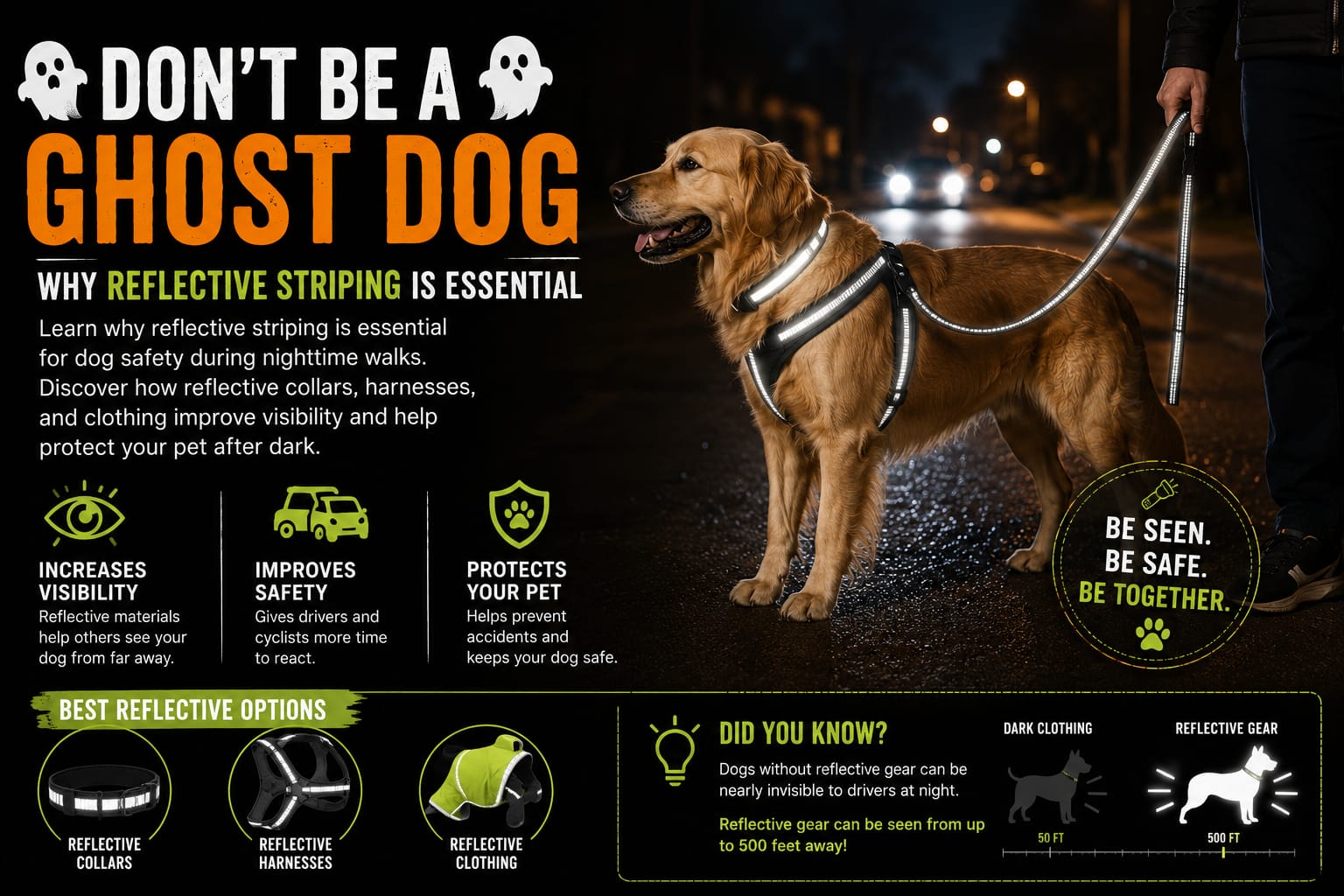
Most people don’t realize that the word degradable is one of the biggest marketing tricks in the pet industry. When you see a box of bags labeled as degradable, your brain probably translates that to “this will disappear naturally.” Unfortunately, that is rarely the case. In the world of manufacturing, anything can be called degradable if it eventually breaks down into smaller pieces. This includes traditional plastic that takes hundreds of years to turn into microscopic bits.
I learned this the hard way when I started looking into why my neighborhood park still had remnants of “eco friendly” bags sticking out of the soil after a heavy rain. Those bags were not actually disappearing. They were just shattering into microplastics. These tiny particles stay in our soil and water forever, eventually making their way into the food chain. It is a frustrating reality for those of us trying to reduce our carbon pawprint.
Truly biodegradable dog poop bags are made from plant based materials like cornstarch or vegetable oils. These materials are designed to be consumed by microorganisms. When a real biodegradable bag breaks down, it turns back into water, carbon dioxide, and organic biomass. It does not leave behind a ghost of plastic that haunts the ecosystem for the next few centuries.
Why oxo degradable is the villain of the story
You might have seen the term oxo degradable on some packaging. This sounds fancy and scientific, but it is actually quite problematic. These bags are basically regular plastic mixed with a chemical additive that helps the plastic break apart faster when exposed to heat or sunlight. While it sounds like a good idea, all it does is speed up the creation of microplastics.
The plastic does not actually go away; it just becomes invisible to the naked eye. Many countries have actually started banning these types of bags because they are so misleading. If you want to make a real difference, you have to look for bags that are certified compostable. That is the only way to ensure the material is truly returning to the earth rather than just fragmenting into a million tiny pollutants.
The dirty reality of landfills and decomposition
Here is a thing most people don’t consider: where does that bag go after you toss it in the trash? Most pet waste ends up in a landfill. Landfills are designed to be airtight and dry to prevent leaking into groundwater. Because there is no oxygen, even the most eco friendly materials struggle to break down at a normal pace.
However, plant based materials still have a massive advantage over plastic in these environments. Plastic will sit there forever, whereas biodegradable materials will eventually break down over a much shorter period. Some pet owners are lucky enough to live in cities with industrial composting facilities that accept pet waste. In those cases, using a certified bag is the difference between your pet’s waste becoming fertilizer or becoming a permanent resident of a trash heap.
What to look for on the back of the box
When you are shopping for supplies, you shouldn’t just trust the color green or a picture of a leaf on the box. You need to look for specific certifications. These are the gold standard for knowing if a bag is legit. Look for codes like ASTM D6400 in the United States or EN 13432 in Europe. These numbers prove that the bags have passed rigorous testing to ensure they break down in a specific timeframe without leaving toxins behind.
If a box doesn’t have these certifications, it is likely just a standard plastic bag with a better marketing team. It feels a bit like being a detective sometimes, but it is worth the extra thirty seconds of reading to make sure you aren’t being greenwashed. Let’s be real: we are already picking up poop, so we might as well do it in a way that doesn’t mess up the planet for future generations of dogs.
Comparison of common pet waste bag materials
To help you navigate the aisles, I have put together a simple breakdown of what these different terms actually mean for the environment. It is easy to get confused when every brand claims to be the best for the earth.
| Material Type | What it is actually made of | Breakdown Time | Environmental Impact |
|---|---|---|---|
| Standard Plastic | Petroleum based polyethylene | 500 to 1,000 years | High: Leaves microplastics and toxins forever. |
| Oxo-Degradable | Plastic with chemical additives | 1 to 5 years (to fragment) | High: Quickly creates harmful microplastics. |
| Biodegradable / Compostable | Cornstarch, PBAT, or vegetable oils | 90 to 180 days (in right conditions) | Low: Turns into organic matter and CO2. |
The practical side of things: Does it actually hold the poop?
We’ve talked a lot about the planet, but let’s talk about your hands for a second. There is nothing worse than a bag that is so “eco friendly” that it feels like wet tissue paper. We have all been there: you go to pick up a particularly heavy mess, and the bag starts to stretch or, heaven forbid, tear. This is why durability is just as important as the material itself.
You need leak proof waste bags that can handle the weight and the moisture without giving way. Some of the early versions of compostable bags were admittedly pretty terrible. They were thin and would often rip if they got even a little bit damp from the grass. Thankfully, technology has caught up. Nowadays, you can find plant based options that are just as strong, if not stronger, than the old school plastic ones.
Thickness is usually measured in microns. If you find a bag that is around 15 to 20 microns thick, you are in the safe zone. This thickness provides a solid barrier between you and the waste, which is something we can all appreciate. It also helps with the “ick factor” of seeing the contents through the bag. A thicker, darker bag is much more pleasant to carry back to the bin than a thin, translucent one.
Product Spotlight: Making the switch to better bags
If you are looking for a reliable option that checks all the boxes, you should check out these biodegradable and extra thick waste bags which are designed specifically for owners who don’t want to compromise on strength. These aren’t your average flimsy rolls. They are built to be thick enough that you never have to worry about a “bag failure” mid walk.
Shoppers usually pick these because they solve the two biggest problems in one go: they satisfy the need to be environmentally conscious while providing the heavy duty performance of a premium bag. They are large enough for even the biggest breeds, and they fit into most standard leash dispensers. If you have ever had a bag break on you during a rainy evening walk, you know exactly why people are willing to pay a tiny bit more for quality. These are a great choice for anyone who wants to stop worrying about microplastics without having to worry about their fingernails, too.
Common mistakes to avoid when disposing of pet waste
Even if you have the perfect bag, how you handle it matters. One thing I’ve noticed is that people often think they can just throw a biodegradable bag into the woods or leave it on the side of a trail because it is “natural.” Please don’t do that. Even the best bags take time to break down, and in the meantime, they are an eyesore and a potential hazard for local wildlife.
Another mistake is putting these bags in your backyard compost bin that you use for your vegetable garden. Dog waste can contain parasites and pathogens that don’t always die in a standard home compost pile. Unless you have a dedicated pet waste composting system that reaches very high temperatures, it is safer to put the bag in the regular trash or a designated park bin. You are still doing a good thing by using a plant based bag because it won’t persist in the landfill for centuries like plastic would.
Tips for a more eco friendly pet routine
- Buy in bulk to reduce the carbon footprint of shipping multiple small packages.
- Store your bags in a cool, dry place. Since they are made of plant material, they can start to break down if they are kept in a hot, damp garage for a year.
- Look for rolls with recycled cardboard cores rather than plastic ones.
- Pair your eco friendly bags with other eco-friendly pet supplies and toys to further reduce your overall environmental impact.
- Consider a leash dispenser that is made of durable material so you aren’t replacing it every few months.
The surprising shelf life of plant based bags
One thing that catches people off guard is that true biodegradable bags actually have an expiration date. Because they are designed to be eaten by microbes, they will eventually start to lose their strength if they sit on a shelf for too long. Usually, you want to use them within 12 to 18 months of purchase.
If you find an old roll in the back of your closet from three years ago, don’t be surprised if it feels a bit brittle or tears easily. This is actually a good sign! It means the material is doing exactly what it was designed to do: return to the earth. If a bag stays perfectly flexible and strong for ten years in a drawer, it is almost certainly made of permanent plastic, no matter what the label says.
How to tell if you are being “Greenwashed”
Greenwashing is when a company spends more time and money on marketing themselves as environmentally friendly than on actually minimizing their environmental impact. It is rampant in the pet industry. Here are a few red flags to watch out for when you are browsing for supplies.
- The bag is labeled “Earth Friendly” but has no certifications listed.
- The packaging uses lots of green colors and leaf icons but doesn’t explain what the material is.
- The fine print says “degradable” rather than “compostable.”
- The price is exactly the same as the cheapest plastic bags on the market. Real plant based resins are more expensive to produce than oil based plastic.
By being a savvy shopper, you can vote with your wallet. When we choose real biodegradable options, we tell manufacturers that we care about the planet and we won’t be fooled by clever wording. You can find high quality options and more in the entire collection of home and pet essentials available online, which makes it easier to stock up on the right stuff.
Conclusion
Switching to truly biodegradable dog poop bags might seem like a small change, but when you consider that there are millions of dogs in the country, those daily walks add up to a massive amount of waste. The scary truth is that for a long time, we have been unknowingly contributing to the microplastic crisis by trusting vague labels like “degradable.” However, once you know what to look for, it is easy to make a better choice.
Choosing a bag that is both eco friendly and leak proof is the ultimate win for any pet parent. You get the peace of mind knowing that you aren’t leaving a permanent plastic footprint, and you get the practical security of a bag that won’t fail when you need it most. It is all about finding that balance between being a responsible earthling and a practical dog owner.
Next time you head out for a walk, take a quick look at that box of bags. If it doesn’t mention certifications like ASTM D6400, consider making the switch to a plant based alternative once that roll runs out. Your local park, the oceans, and your future self will thank you for it. Let’s keep our neighborhoods clean without making the planet dirty in the process.
Frequently Asked Questions
What is the main difference between degradable and biodegradable bags?
The biggest difference is what is left behind after the bag breaks down. Degradable bags are usually just standard plastic with a chemical added to help them break into smaller pieces. These smaller pieces are microplastics, which never truly go away and can harm the environment. Biodegradable bags, specifically those certified as compostable, are made from plant materials like cornstarch. When they break down, they turn into organic matter, water, and CO2, leaving no toxic residue or plastic behind. It is a much cleaner process for the earth.
Can I put biodegradable dog poop bags in my garden compost?
Generally, it is not a good idea to put pet waste in a backyard compost pile that you use for food crops. Most home compost bins do not get hot enough to kill the bacteria, viruses, and parasites like roundworms that can be found in dog waste. However, if you have a separate “ornamental only” compost pile for flowers and shrubs, it might be okay depending on your local regulations. For most people, the best way to use these bags is to dispose of them in a trash bin, as they will still break down much faster than plastic in a landfill.
Why are leak proof waste bags so important for the environment?
While it sounds like a purely practical concern for your hands, leak proof durability actually helps the environment too. If a bag is flimsy and breaks, most owners will end up using a second or even third bag to clean up the mess. This doubles or triples the amount of waste generated for a single cleanup. By using high quality, thick, leak proof waste bags, you ensure that you only need one bag per job. This reduces overall material consumption and ensures that the waste is properly contained until it reaches the disposal site.
Do biodegradable bags really break down in a landfill?
Landfills are designed to prevent decomposition by keeping out air and moisture, which means even a banana peel can take years to break down there. However, biodegradable bags still have an edge. They are made from renewable resources rather than petroleum, so their production has a lower carbon footprint. Furthermore, even in the dry conditions of a landfill, plant based materials will eventually break down significantly faster than traditional plastic, which can persist for a millennium. Using these bags is always a better choice than using standard plastic ones.
How can I tell if a bag is actually eco friendly or just greenwashed?
The secret is in the certifications. Don’t look at the color of the bag or the “natural” branding on the box. Instead, look for the “Compostable” seal from the Biodegradable Products Institute (BPI) or the TUV Austria “Home Compostable” certification. You should also look for a mention of ASTM D6400 or EN 13432 standards. If the box only says “green” or “earth friendly” without any of these specific codes or seals, it is likely a standard plastic bag with an additive, which is what we want to avoid.
Do biodegradable dog poop bags expire?
Yes, they actually do have a shelf life. Because they are made of organic materials like cornstarch, they are designed to eventually degrade. If you store them in a hot or damp place, like a laundry room or a car trunk, they may begin to lose their strength after about a year. It is best to buy only what you need for a few months and store them in a cool, dry cupboard. This ensures the bags remain strong and leak proof when you are out on your walks, preventing any messy accidents.
Latest Posts 🔥

Visit Store

Unlock Exclusive Offers!
Unlock Exclusive Pet & Home Spooky Deals Limited-Time Access!
Your Information Will Not Be Shared With Anyone.