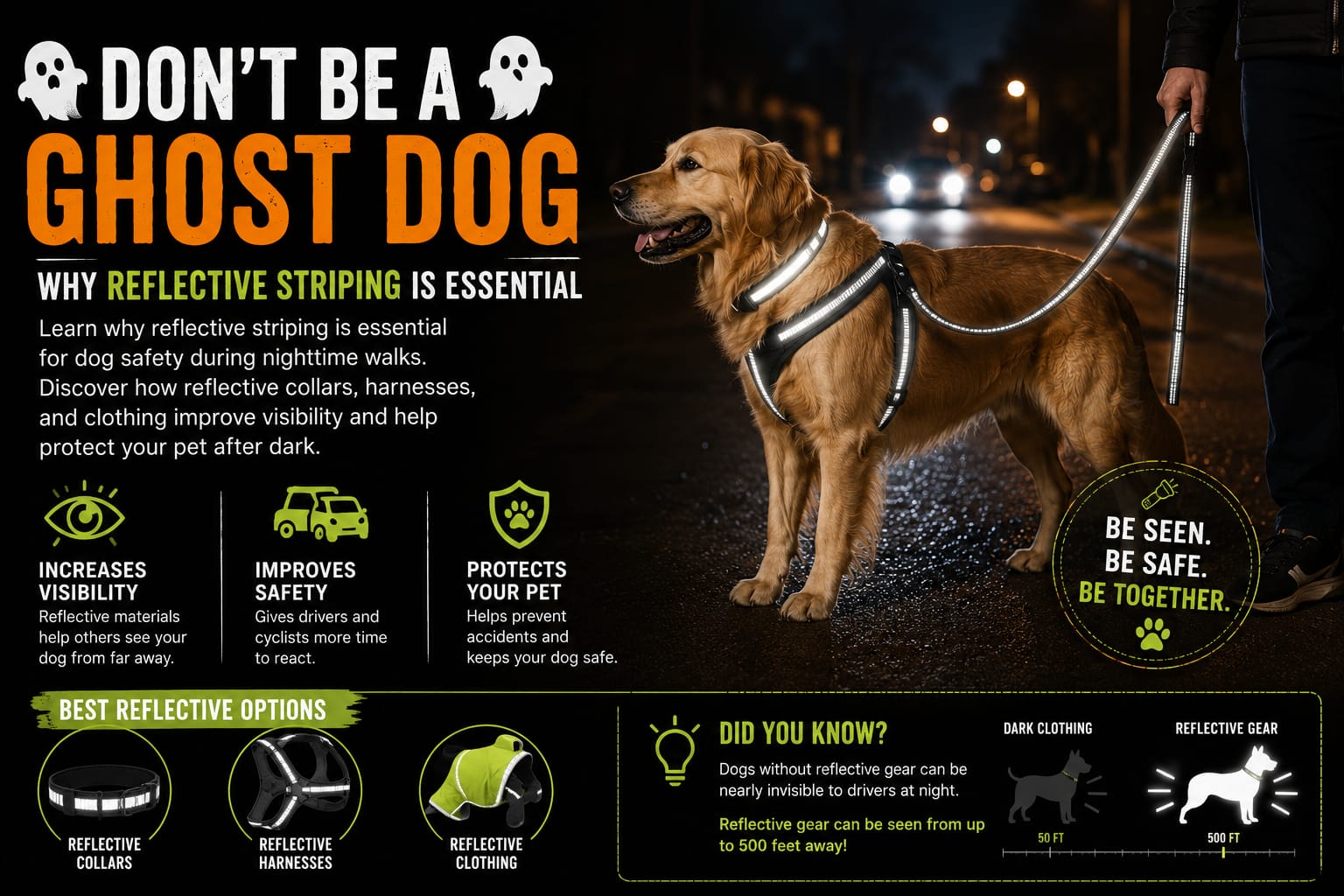
Stress-Free Halloween Costumes for Anxious Cats & Dogs
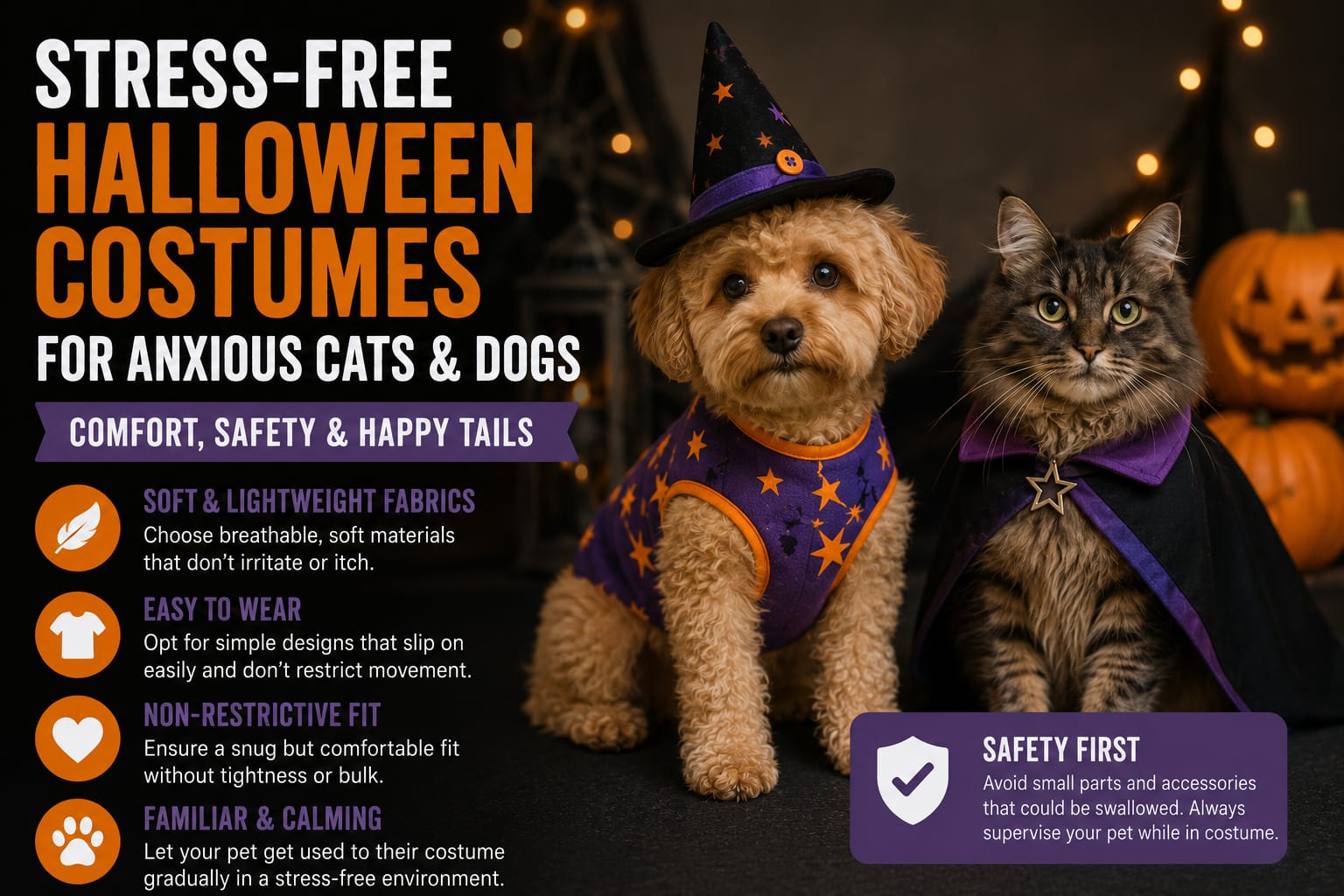
Table of Contents
We’ve all seen those adorable Instagram photos of cats in tiny pirate hats and dogs wearing full dinosaur onesies. Then we try it at home, and our pets look like they’re questioning every life choice they’ve ever made. It doesn’t have to be a struggle if you choose the right gear for their personality.
Why your cat turns into a statue when you put a shirt on them
Have you ever put a sweater on your cat only to watch them immediately flop over like their legs stopped working? It’s a common phenomenon. Most pets, especially cats, rely heavily on their sense of touch and their whiskers to navigate the world. When we cover their bodies with thick, restrictive fabric, we’re basically jamming their internal GPS. It’s overwhelming for them.
Dogs often have a similar reaction, though they might show it differently. A stressed dog might pant, lick their lips, or give you those “whale eyes” where you see the whites of their eyes. These are clear signs that the elaborate three piece tuxedo costume you bought is causing some serious anxiety. The goal of Halloween should be fun for everyone, and that includes the four legged members of the family who don’t actually understand why people are dressed like ghosts.
I learned this the hard way a few years ago. I tried to put a full body shark costume on my golden retriever. He’s usually the chillest dog on the planet, but the moment his legs went through those tight holes, he froze. He wouldn’t even move for a piece of bacon. That’s when I realized that for many animals, the best costume is the one they barely feel. This is where the concept of a costume for anxious cat or nervous dog owners comes into play. You want something that rests on them rather than squeezing them.
The magic of the easy cape costume for picky pets
If you have a pet that hates having their paws touched or their movement restricted, you need to look at cape style options. An easy cape costume is a total life saver because it typically attaches only at the neck. It doesn’t require the pet to step through leg holes, which is usually the part that causes the most panic. It also leaves their belly and back legs completely free.
When a pet feels something around their midsection or their limbs, their brain tells them they’re being restrained. This can trigger a “fight or flight” response. A cape, however, feels more like a loose blanket or a slightly different collar. It moves with them. If they want to run, jump, or use the litter box, the costume doesn’t get in the way. It’s the ultimate compromise between a festive look and total comfort.
Most people don’t realize that the weight of the fabric matters just as much as the shape. A heavy, plush costume can make a pet feel overheated very quickly. Animals can’t sweat like we do, so they rely on panting and heat release through their paws and ears. A lightweight cape allows for plenty of airflow, keeping them cool even if the Halloween party gets a bit crowded.
Product Spotlight: The Vampire Pet Costume Cloak
When it comes to finding the perfect balance between “spooky” and “stress free,” this specific piece is a winner. The vampire pet costume cloak is designed specifically for pets that aren’t fans of traditional clothing. It’s a simple, elegant red and black cloak with a stand up collar that gives off classic Dracula vibes without any of the drama.
One thing I’ve noticed about this cloak is the material. It’s made from a lightweight satin like fabric. This is a big deal because satin doesn’t catch on fur the way felt or wool does. If you have a long haired cat or a fluffy dog, you know that some fabrics can create static or pull on their hair, which is incredibly annoying for them. This cloak just glides over their coat.
Who is this for? It’s for the cat that hides the moment they see a shirt. It’s for the dog that tries to chew off any sleeves. Because it secures around the neck with a simple tie or strap, it stays out of the way of their front legs. They can walk, run, and play without even realizing they look like a tiny creature of the night. It’s also incredibly easy to put on. You can get it on and off in about five seconds, which is great if your pet has a very short fuse for “dress up time.”
Here’s a tip for styling this cloak. If you have a black cat, the red lining of the collar pops beautifully. For a white dog, the contrast is stunning. It’s a low effort way to get a high quality photo for your holiday cards without stressing out your best friend.
Comparing costume styles for anxious pets
Not all costumes are created equal. When you’re shopping, it helps to understand how different styles impact your pet’s mood. Here’s a breakdown of what to expect from the most common types of pet outfits.
| Costume Type | Ease of Use | Stress Level | Best For… |
|---|---|---|---|
| Full Body Onesie | Difficult | High | Very calm, fashion-tolerant dogs. |
| Headpieces & Hats | Moderate | Medium | Pets who don’t mind their ears being covered. |
| Step-In Costumes | Difficult | Very High | Pets who are okay with paw handling. |
| Capes & Cloaks | Very Easy | Low | Anxious cats, senior dogs, and first-timers. |
| Bandanas | Simple | Minimum | Extremely shy or nervous pets. |
As the table shows, the cape style sits in that sweet spot where you get a clear “costume” look without the high stress of a full body suit. If you’re looking for more options, check out our full range of comfortable costumes and toys for pets to find something that fits your pet’s unique vibe.
The “Is My Pet Hating This?” Checklist
Sometimes it’s hard to tell if your dog is just being “dramatic” or if they’re actually distressed. Use this quick checklist to monitor their behavior while they’re wearing their Halloween outfit.
- The Frozen Statue: Is your pet refusing to move at all? This usually means they feel trapped.
- The Tail Tuck: For dogs, a tail tucked between the legs is a universal sign of fear or discomfort.
- The Flattened Ears: Cats will often pin their ears back when they’re annoyed or scared.
- Excessive Licking: If your dog starts licking their lips or paws constantly, they’re trying to self-soothe.
- The “Zoomies”: Sometimes, pets will run frantically to try and “escape” the costume.
- Pawing at the Face: If they’re constantly trying to rip the costume off, it’s a sign it’s too tight or annoying.
If you see more than two of these signs, it’s time to take the costume off. Let’s be real, no photo is worth making your pet miserable. Try a more non intrusive pet clothing option next time, or just let them enjoy the holiday in their birthday suit.
Common mistakes people make with pet costumes
One thing I’ve noticed is that people often buy a costume based on the weight of their pet, but that’s a mistake. You need to measure the neck and chest circumference. A costume that’s too tight around the neck is dangerous, and one that’s too loose can become a tripping hazard. For an easy cape costume, the neck measurement is the most important part. You should be able to fit two fingers easily between the strap and your pet’s skin.
Another big mistake is leaving a pet unattended while they’re dressed up. Even the most comfortable cape can get snagged on a chair leg or a door handle. If your pet panics while they’re stuck, they could hurt themselves. Always keep an eye on them while they’re wearing their festive gear. If you’re hosting a party and you’re busy with guests, it’s probably better to let your pet go “incognito” for the night.
Finally, don’t forget about the environment. If your house is full of spooky decorations for your home, like fog machines or loud animatronics, your pet is already on edge. Adding a bulky costume on top of that is a recipe for a meltdown. Keep things calm. If the decorations are loud, keep the costume simple. If the house is quiet, they might be more willing to tolerate a fancy cloak.
How to introduce a costume to a nervous pet
You can’t just throw a vampire cape on a cat and expect them to be okay with it. You have to play the long game. Here’s a step by step guide to making the process easier for everyone involved.
- Day 1: The Sniff Test. Lay the costume on the floor and let your pet sniff it. Put a few of their favorite treats on top of the fabric. This creates a positive association.
- Day 2: The Drape. While they’re eating or being pet, gently drape the costume over their back without fastening it. If they stay calm, give them a high value treat.
- Day 3: The Short Fasten. Fasten the costume loosely for just sixty seconds. Keep feeding them treats the whole time. Then, take it off before they have a chance to get annoyed.
- Day 4: Practice Walk. Let them wear the costume for five minutes while they walk around the house. Use a toy to keep them moving so they realize they still have their full range of motion.
- Halloween Night: By now, they should be used to the feeling. Put the costume on, take your photos, and then decide if they’re comfortable enough to keep it on for the festivities.
The key to success is never forcing it. If they walk away during step one, try again later with better treats. Patience is the secret ingredient here.
Why non intrusive pet clothing is the future
The pet industry is finally starting to realize that pets are more comfortable when their gear is streamlined. We’re seeing a shift away from heavy, polyester suits toward breathable, lightweight materials. A non intrusive pet clothing item is designed to sit on the “natural” points of the animal’s body, like where a collar or harness would sit. It avoids the armpits and the groin area, which are high sensitivity zones.
This is especially important for cats. Cats have “guard hairs” all over their bodies that help them sense movement and air currents. When we cover those hairs with a tight shirt, it’s like we’re blindfolding their skin. Lightweight cloaks and capes solve this because they only touch a small percentage of those sensory hairs. It’s a much more humane way to celebrate the season.
That said, even the best costume shouldn’t stay on for hours. Think of it like high heels for humans. They might look great for the party, but you’re dying to take them off the second you get home. Your pet feels the same way. Give them plenty of “naked” time to stretch and groom themselves.
A scenario: The nervous rescue dog
Imagine you have a rescue dog named Luna. Luna is sweet but jumpy. Sudden movements or new smells make her retreat to her crate. You want to include her in the family Halloween photo, but you know a full “hot dog” costume will terrify her. Instead, you opt for a simple vampire cloak. You follow the slow introduction steps. By the time Halloween arrives, Luna doesn’t mind the cloak because it doesn’t “hug” her tightly. She can still hide in her crate if she gets overwhelmed by trick or treaters, and the cloak doesn’t get tangled in her paws. This is a win for everyone. You get your memory, and Luna stays feeling safe.
This same logic applies to “spicy” cats who might swat at you if you try to put them in a dress. A cape that just drops over their head and ties loosely is much less likely to result in a scratch. It’s about respecting their boundaries while still having a bit of seasonal fun.
Conclusion
Halloween is a time for creativity and fun, but as pet owners, our first priority is always the well being of our furry companions. Finding a costume for anxious cat or dog members of your household doesn’t have to be a chore. By focusing on non intrusive pet clothing and opting for an easy cape costume, you can avoid the stress and drama that often comes with holiday dress up. The goal is to find something lightweight, breathable, and easy to remove.
Whether you choose a classic vampire look or a simple festive bandana, remember to listen to what your pet is telling you. If they seem unhappy, it’s perfectly okay to skip the costume and let them celebrate with a special Halloween themed treat instead. After all, their comfort and trust are worth much more than any photo. By taking the time to introduce the outfit slowly and choosing designs that respect their natural movement, you ensure that the holiday remains a positive experience for every member of the family. Let’s make this Halloween the most relaxed one yet for our pets, focusing on low impact fashion that lets their natural personality shine through.
Frequently Asked Questions
How do I know if a costume is too tight for my cat?
The best way to check is the two finger rule. Once the costume is on, try to slide two fingers between the fabric and your cat’s neck or chest. If you can’t fit them easily, it’s too tight. Also, watch their breathing. If they’re panting or their chest is moving rapidly, take it off immediately. Cats are very sensitive to pressure on their torsos, so even if it looks okay, they might feel constricted. A loose cape is usually the safest bet for cats because it doesn’t put pressure on their sensitive belly area.
What is the best fabric for an anxious dog?
Look for lightweight, smooth fabrics like satin, silk, or thin cotton. Avoid anything scratchy like wool or heavy like thick felt. Anxious dogs are already hyper aware of their surroundings, so any itchy or heavy fabric will only distract and irritate them further. Satin is particularly good because it slides over the fur without causing static or pulling. If your dog has skin sensitivities, avoid costumes with glitter or glued on sequins, as these can fall off and cause irritation or even be accidentally swallowed during grooming.
Can my pet wear a costume for the whole evening?
It’s generally not recommended to leave a pet in a costume for more than an hour or two, especially if they are anxious. Even a non intrusive pet clothing item can become a nuisance after a while. If you’re having a party, put the costume on for the main “reveal” or the photos, then let them out of it. Always remove the costume if you’re not going to be in the same room as them. Safety is the priority, and a pet could easily get a cape caught on something while you’re not looking, leading to a panic attack or injury.
My dog hates hats, what should I do?
Most dogs and cats hate things on their heads because it interferes with their ears and peripheral vision. If your pet keeps shaking their head or pawing at their ears, just skip the hat. You can still have a great costume using just a cape or a cloak. In fact, a vampire cloak looks perfectly fine without a hat. If you’re determined to have something on their head, try a headpiece that doesn’t cover the ears, but honestly, most pets will be much happier if you leave their ears free to move and listen to the world.
Are easy cape costumes safe for kittens or puppies?
Capes can be safe, but you have to be extra careful with the length. Puppies and kittens are clumsy and love to wrestle. If a cape is too long, they might step on it and trip, or their playmate might grab it and pull on their neck. For younger animals, it’s best to choose a “mini” version of the costume that doesn’t hang down too far. Always supervise them 100% of the time. If they start chewing on the ties or the fabric, take it away. Their safety and development are more important than a costume at that age.
What should I do if my pet has a panic attack in a costume?
If your pet starts thrashing, hiding, or panting heavily, remove the costume immediately. Don’t try to “calm them down” while they’re still wearing it, as the fabric itself is the source of the stress. Once the costume is off, give them space. Don’t crowd them or try to force them to eat treats right away. Let them go to their safe spot, like a crate or under a bed. In the future, you might want to stick to very minimal items like a simple collar attachment or just a festive bowtie that feels like their normal gear.
Latest Posts 🔥
Visit Store

Unlock Exclusive Offers!
Unlock Exclusive Pet & Home Spooky Deals Limited-Time Access!
Your Information Will Not Be Shared With Anyone.